
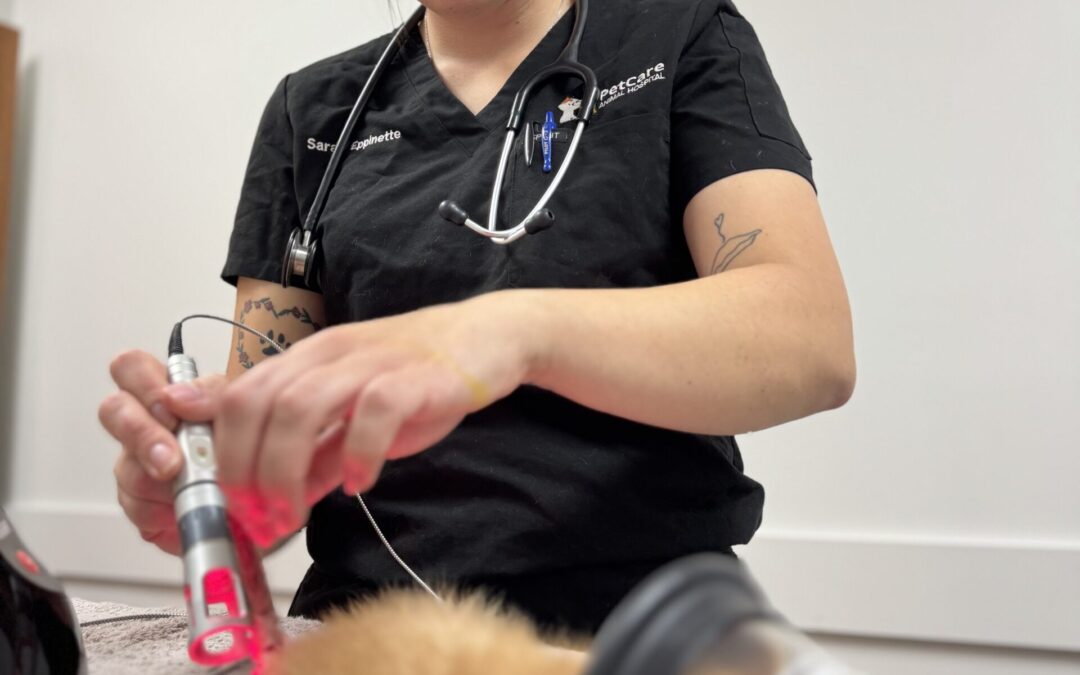
What is K-Laser Therapy?
K-Laser therapy utilizes specific wavelengths of red and near-infrared light to create beneficial therapeutic effects. The device’s power can be modulated and pulsed without negatively impacting normal tissue.
Conditions Treated by K-Laser
The K-Laser is an FDA-cleared Class IV programmable laser designed to deliver therapeutic power strong enough to promote healing in diseased and damaged tissues, thereby alleviating pain and reducing inflammation. Promising results have been observed in treating various conditions, including:
- Acute painful muscle, tendon, or joint injuries
- Arthritis
- Painful spinal conditions (e.g., pinched nerves)
- Dermatitis
- Oral infections
- Wounds
- Ear infections
Distinction Between K-Laser and Other Laser Therapy Devices
Unlike Class III or “cold lasers,” which typically range from 5 to 500 milliwatts, the K-Laser is a high-powered therapeutic device with an adjustable output from 100 to 6,000 milliwatts. This extensive power range allows for a broader array of treatment protocols. The K-Laser system achieves a level of power and penetration not attainable with cold laser devices.
Patient Experience During K-Laser Therapy
K-Laser therapy is generally well-tolerated, causing minimal sensation. Patients typically experience no pain or discomfort, and anesthesia is not required. Some individuals may report a slight warming or tingling sensation during the procedure.
Treatment Frequency for K-Laser Therapy
The number of necessary treatments varies depending on the patient and the specific condition being addressed. However, 6-10 sessions are typically sufficient to achieve treatment goals, with positive results often noted after the initial few treatments. Each K-Laser session lasts approximately 2 to 10 minutes, depending on the size and nature of the treated area. Chronic cases may require periodic booster treatments following the initial treatment plan.