
Did you know that pet dental health issues and periodontal disease is a growing epidemic? Over 70% of cats and 85% of dogs have dental disease by the age of 3.
Preventing periodontal disease is crucial for a longer, healthier life for your pet. Common indicators of this disease include bad breath, excessive drooling, fractured teeth, reluctance to eat or play with toys, and pawing or rubbing of the face. Poor oral health can also lead to sneezing and eye infections. Periodontal disease can progress to tooth decay and gingival infections, allowing bacteria to enter the bloodstream and potentially damage vital organs such as the liver, kidneys, and heart.
- Stage 1: Characterized by red, swollen gums and plaque accumulation on teeth.
- Stage 2: Presents with bad breath, plaque, and calculus on teeth; damage is reversible at this stage.
- Stage 3: Involves severe plaque and calculus accumulation, bleeding gums, bad breath, and permanent damage.
- Stage 4: Marked by gingivitis, bleeding gums, pus, severe bad breath, tooth root exposure, and tooth loss, indicating permanent damage.
Home Dental Health Routine
Establishing a home dental care routine for your pet is an essential first step. Familiarizing yourself with the appearance of a healthy mouth will help you identify early signs of oral diseases. Introducing mouth handling at an early age will accustom your pet to the process, fostering a lifetime of good habits. Brushing your pet’s teeth is as vital as brushing your own. Pet-specific toothpaste, soft-bristled brushes, and treats designed to combat plaque and tartar accumulation are available in our in-house pharmacy or through our online pharmacy.
Dental Do’s and Dental Don’ts
- Do: Begin brushing with a pet-specific toothpaste using your finger or a pet finger toothbrush to acclimate your pet to having something in their mouth, gradually progressing to a toothbrush designed for pets.
- Do: Aim for daily dental home care. Brushing is preferred, but on days when brushing isn’t possible, provide a dental chew.
- Don’t: Use human toothpaste on your pet.
- Don’t: Attempt to clean the inner surface of your pet’s teeth, as their tongue and saliva naturally clean this area.
- Don’t: Consider dental home care an alternative to a full professional dental cleaning if your pet has advanced dental disease. Even a Stage 1 dental score requires professional veterinary care to restore your pet’s teeth to a healthy condition.
Pet Dental Visits with a PetCare Veterinarian
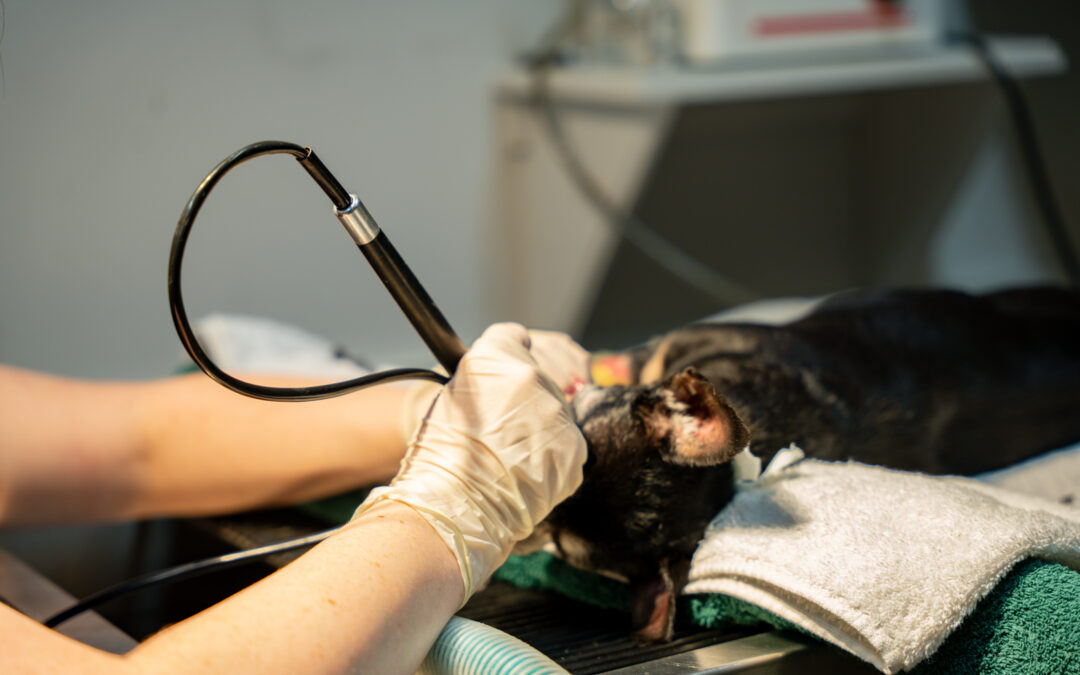
As part of every wellness visit, it is crucial that your pet receives an oral examination to assess their oral health status. Similar to humans, annual professional dental cleanings are key to keeping your pet pain-free and healthy. Dental X-rays should be performed periodically to detect dental diseases not visible to the naked eye. If dental disease is advanced, an anesthetic dental cleaning will be necessary. Pathology below the gum line will be revealed through full-mouth X-rays, which are conducted under anesthesia.
PetCare Animal Hospital is dedicated to serving Haughton and the surrounding communities, always providing the most compassionate care possible. We have trained veterinary dentists and a passionate veterinary team equipped to handle emergencies, wellness exams, routine dental work, and everything in between. Call us today at 318-390-7561 to schedule an appointment and check on your pet’s dental health.